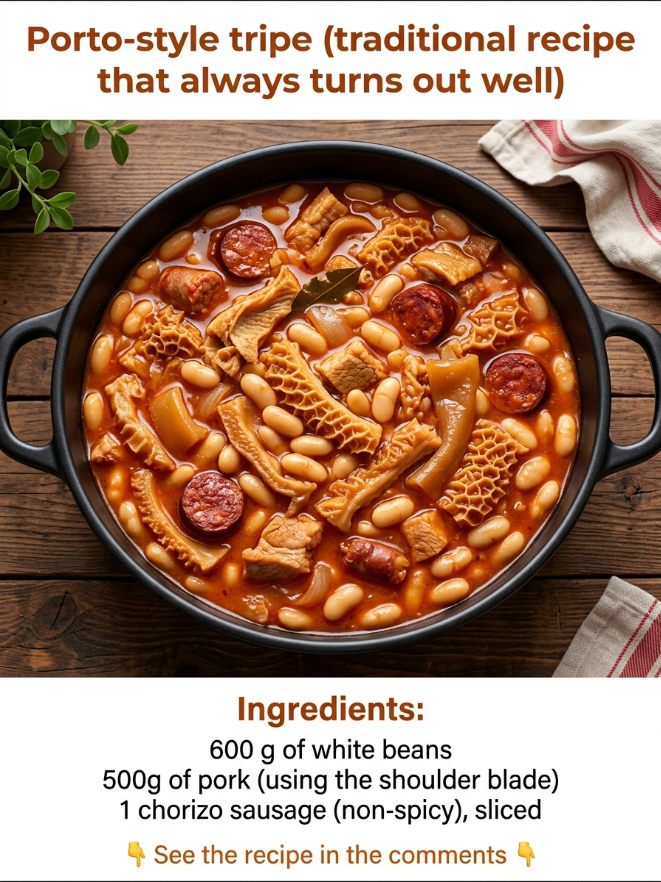
Tripas à Moda do Porto: Traditional Portuguese Tripe
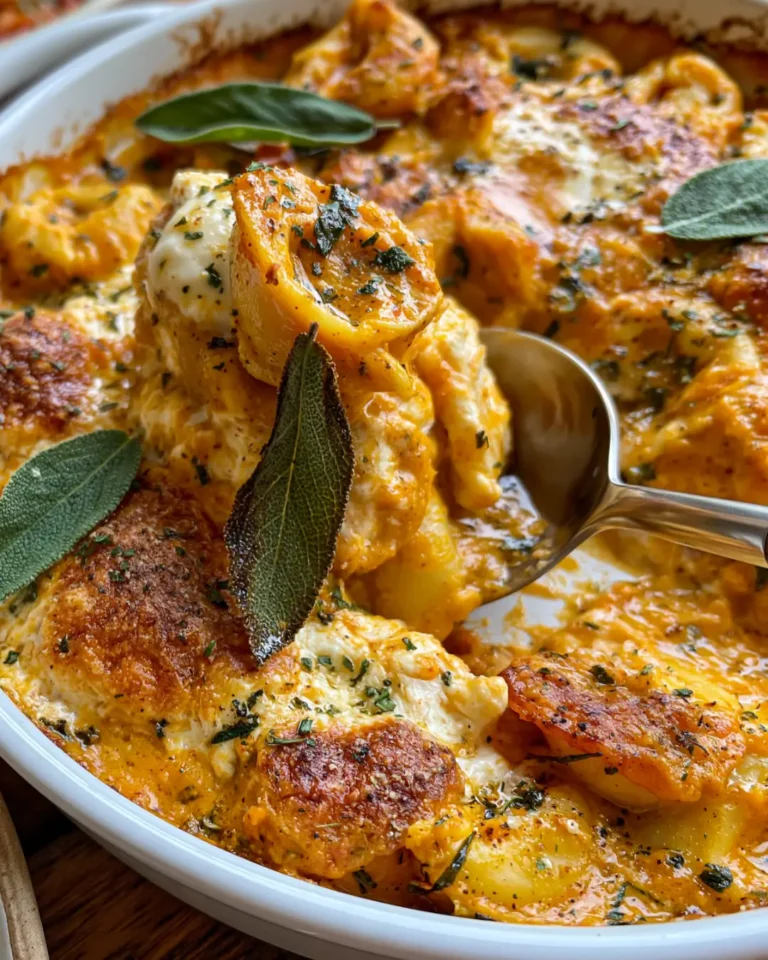
Tripe à Moda do Porto is one of the most iconic dishes in Portuguese gastronomy. With an irresistible combination of tripe, white beans, sausages, and various meats, this traditional recipe is a true symbol of the city of Porto and its rich culinary heritage. It is a comforting, intensely flavourful dish, perfect for gathering the family around the table on a special occasion or a cooler day. Slow-cooked to perfection, the result is a thick, aromatic stew that tells a story with every single bite.
Ingredients
- 600 g of dried white beans
- 2 pig’s trotters (feet)
- 500 g of pig’s ears
- 500 g of pork shoulder meat
- 1 mild cured pork sausage (chouriço), sliced into rounds
- 300 g of smoked bacon, cut into cubes
- 500 g of prepared tripe (honeycomb or blanket tripe)
- 1½ onions
- 3 large bay leaves
- 1 leek
- 10 cloves
- 1 sprig of fresh parsley
- 2 cloves of garlic
- Coarse salt, to taste
- 200 ml of tomato purée
- Good quality olive oil, to taste
Preparation
- Soak the beans: The day before you plan to cook, place the dried white beans in a large bowl and cover them generously with cold water. Leave them to soak overnight.
- Salt the meats: Rub the pig’s trotters, ears, and pork shoulder generously with coarse salt. Place them in a container, cover, and leave them to cure in the refrigerator overnight.
- Cook the beans: On the day of cooking, drain the soaked beans, rinse them well, and place them in a large pot. Cover with fresh water and add one bay leaf and a tablespoon of coarse salt. Bring to a boil, skimming off any foam that rises to the surface. Reduce the heat and simmer for about 15 minutes, until the beans are tender but still hold their shape. Reserve the beans and some of their cooking liquid.
- Prepare the tripe: Wash the prepared tripe thoroughly. Place it in a pot with cold water and a bay leaf. Bring to a boil and let it cook for 10 minutes. Drain, cut the tripe into small strips or pieces, and set it aside.
- Cook the salted meats: Place the salted meats (do not rinse them) into a large pot. Add half an onion studded with the cloves, a bay leaf, the parsley sprig, and the leek. Cover everything with cold water. Bring to a boil, skimming off any foam. Reduce the heat and cook for about 1 hour. Strain the meat, reserving the cooking liquid, and set both aside.
- Prepare the meat: Once the meats are cool enough to handle, cut the ears and the pork shoulder into small cubes. Remove the meat from the trotters and shred or chop it, discarding the bones.
- Build the stew: In a large, heavy-bottomed pot or Dutch oven, heat a generous drizzle of olive oil. Finely chop the remaining onion and the 2 cloves of garlic, and sauté them in the oil until soft and translucent.
- Add the sausages and meats: Add the sliced chouriço and the cubed bacon to the pot and allow them to brown slightly, releasing their oils and flavour. Stir in the tomato purée.
- Add the meat and liquid: Add the cubed pork shoulder, the meat from the trotters, and the chopped pig’s ears to the pot. Pour in two ladlefuls of the reserved meat cooking liquid. Let this simmer for about 20 minutes, allowing the flavours to combine.
- Add the beans and tripe: Gently fold in the cooked white beans, the prepared tripe, and the pig’s ears. Add enough of the reserved bean cooking liquid to just cover all the ingredients.
- Final simmer: Cover the pot and cook over a very low heat for about 30 minutes. This allows all the flavours to meld together beautifully and the tripe to become perfectly tender.
- Rest and serve: Remove the pot from the heat and let it rest for about 5 minutes before serving. This allows the stew to settle and the flavours to intensify.
Why You’ll Love This Recipe
- A true, authentic traditional Portuguese recipe.
- Rich in flavour and steeped in history and culture.
- Deeply comforting and satisfying.
- Ideal for festive family meals and gatherings.
- Perfect for cooler days when you need warming up.
The Secret to a Perfect Dish
The success of this dish lies in its slow cooking and the careful balance of its ingredients. The tripe must become beautifully tender, and the sauce should be well-developed, having absorbed all the wonderful aromas from the sausages, various meats, and seasonings. It is precisely this unhurried process that gives the dish its wonderfully characteristic flavour. Do not rush this stage; the longer it simmers gently, the more harmonious the final result will be.
A Dish with History
Tripe à Moda do Porto has been a part of the identity of the Invicta (the Undefeated) city for centuries. This traditional dish is the origin of the famous nickname for the people of Porto: ‘tripeiros‘, a name that is still used with great pride today. More than just a recipe, it is a true Portuguese tradition, a culinary link to the past that continues to be celebrated.
Ideal For Serving At
- Sunday lunches.
- Family gatherings and reunions.
- Traditional festivals and feast days.
- Special dates and celebrations.
- Social get-togethers with friends.
Perfect Accompaniments
This hearty stew is delicious on its own, but it pairs beautifully with a variety of classic sides:
- Fluffy, plain white rice (the perfect base to soak up the sauce).
- Crusty rustic bread.
- A simple green salad for a fresh contrast.
- A mature, full-bodied red wine.
Storage
This dish, like many stews, often tastes even better the next day as the flavours have more time to meld. Store any leftovers in an airtight container in the refrigerator for up to 3 days. It can also be frozen for up to 3 months. Reheat gently on the stovetop, adding a splash of water or stock if the sauce has thickened too much.
Notes
If you are a lover of traditional Portuguese cooking, this recipe for Tripe à Moda do Porto deserves a special place in your recipe collection. It is a timeless classic that continues to win over new generations with its incredible richness of flavour and its deep connection to Portuguese heritage. The preparation requires some time and patience, but the final result is a truly magnificent and unforgettable dish.