Why Fruit Turns Black After Peeling (And How to Prevent It)
What Causes Fruit to Brown?
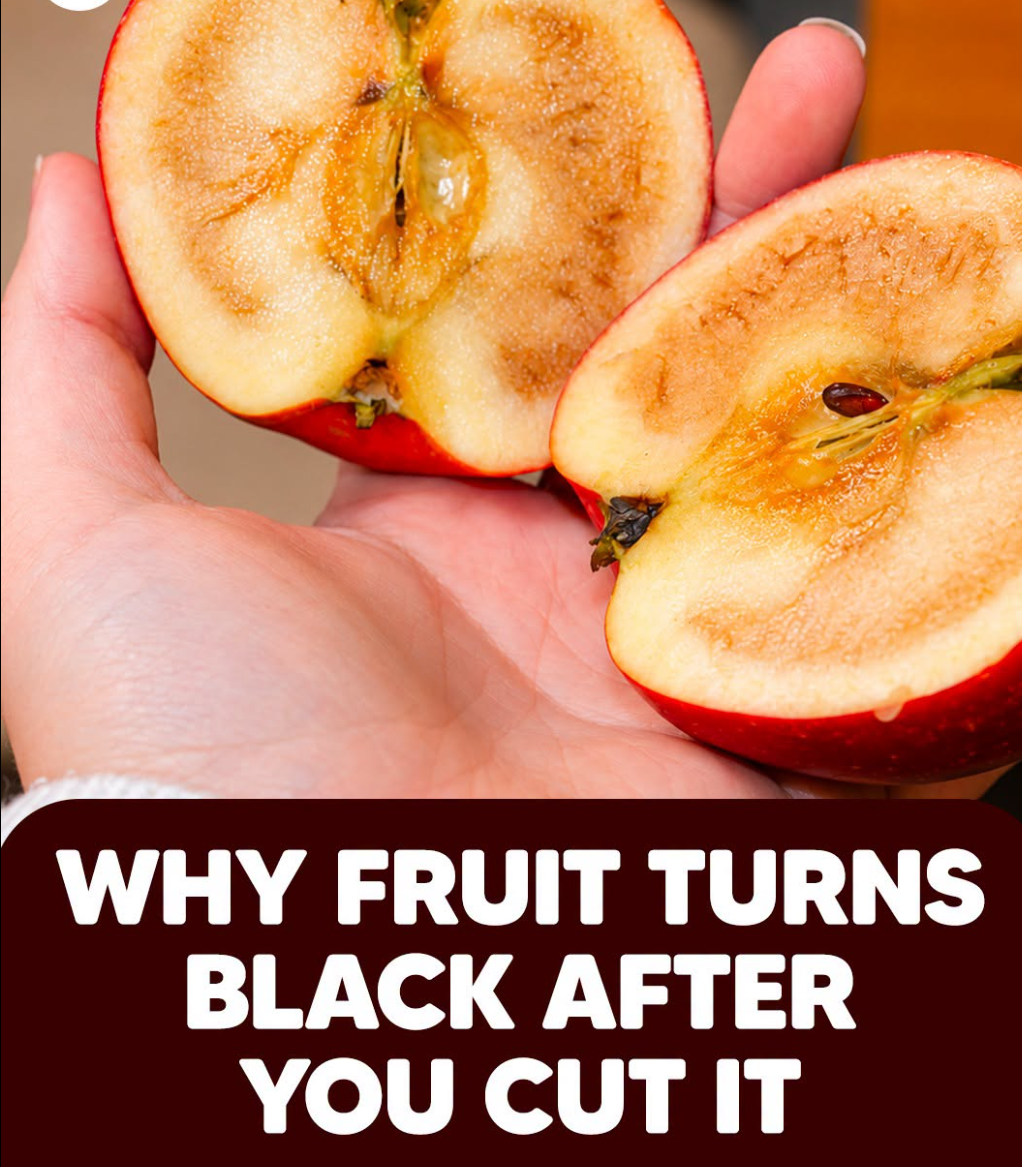
As we mentioned, the fact that peeled fruit darkens relatively quickly is a completely natural phenomenon—one that also occurs with some types of vegetables. The reason is oxidation, a chemical reaction that causes polyphenols (natural compounds found in fruit) to react with oxygen in the air and transform into melanin, a dark pigment. Melanin is the very same substance that helps our skin tan when exposed to sunlight. Fruit contains enzymes called polyphenol oxidases, which accelerate this oxidation process.
When we cut a fruit and expose the pulp to oxygen in the air, this process is triggered and leads to the gradual darkening of the fruit. Importantly, this browning does not make the fruit toxic, nor does it significantly alter its flavour or texture. You can safely eat it even if it has darkened—it just may not look as appetising.
Factors That Influence Browning
While oxidation affects all fruit to some degree, several factors influence how quickly browning occurs:
- The type of fruit: Some fruit varieties are more prone to browning than others. Apples, pears, bananas, and avocados are particularly susceptible, while citrus fruits and pineapples are much less so.
- Ripeness: Overripe fruit tends to turn black more quickly, as the enzymes responsible for oxidation become more active as the fruit ages.
- Temperature: Heat accelerates the oxidation process, meaning that in warmer weather or in a hot kitchen, fruit will oxidise and darken more rapidly.