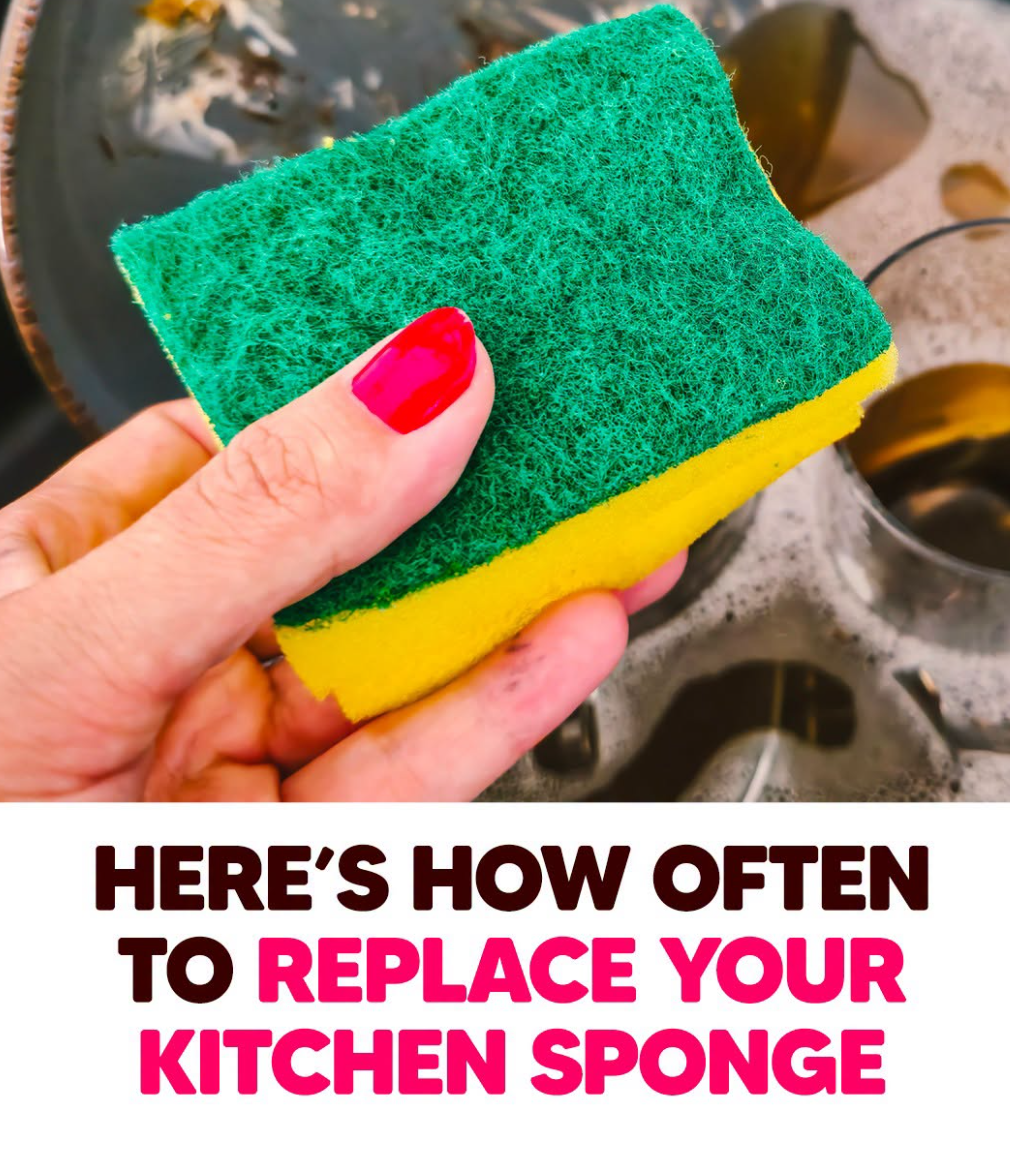
Why Your Kitchen Sponge Might Be the Dirtiest Item in Your Home
Why Are Kitchen Sponges So Dirty?
Kitchen sponges are the perfect storm for bacterial growth. They are often left damp, creating a moist environment that bacteria thrive in. Add in trapped food particles and grease, and you have a recipe for contamination. The porous structure of a sponge contains tiny holes that trap food debris and liquids, providing a constant food source for bacteria. Sponges are also frequently used on multiple surfaces—from countertops to cutting boards—which can transfer bacteria between different areas, leading to cross-contamination. Studies have detected harmful microorganisms such as E. coli and Salmonella in sponges, especially those used to clean raw meat residues. This makes proper sponge hygiene an important consideration for any kitchen.
When Should You Change Your Kitchen Sponge?
A sponge’s lifespan depends on how often and for what purposes it is used. While it may be tempting to stretch its use, replacing it regularly is key to maintaining kitchen hygiene. As a general rule, you should replace your kitchen sponge every one to two weeks. There are several telltale signs that it is time to toss it:
- A foul odour that lingers even after rinsing
- Visible discolouration or signs of mould growth
- A slimy texture that does not go away even after thorough rinsing
Proactively replacing your sponge can prevent the spread of bacteria and improve overall kitchen cleanliness.