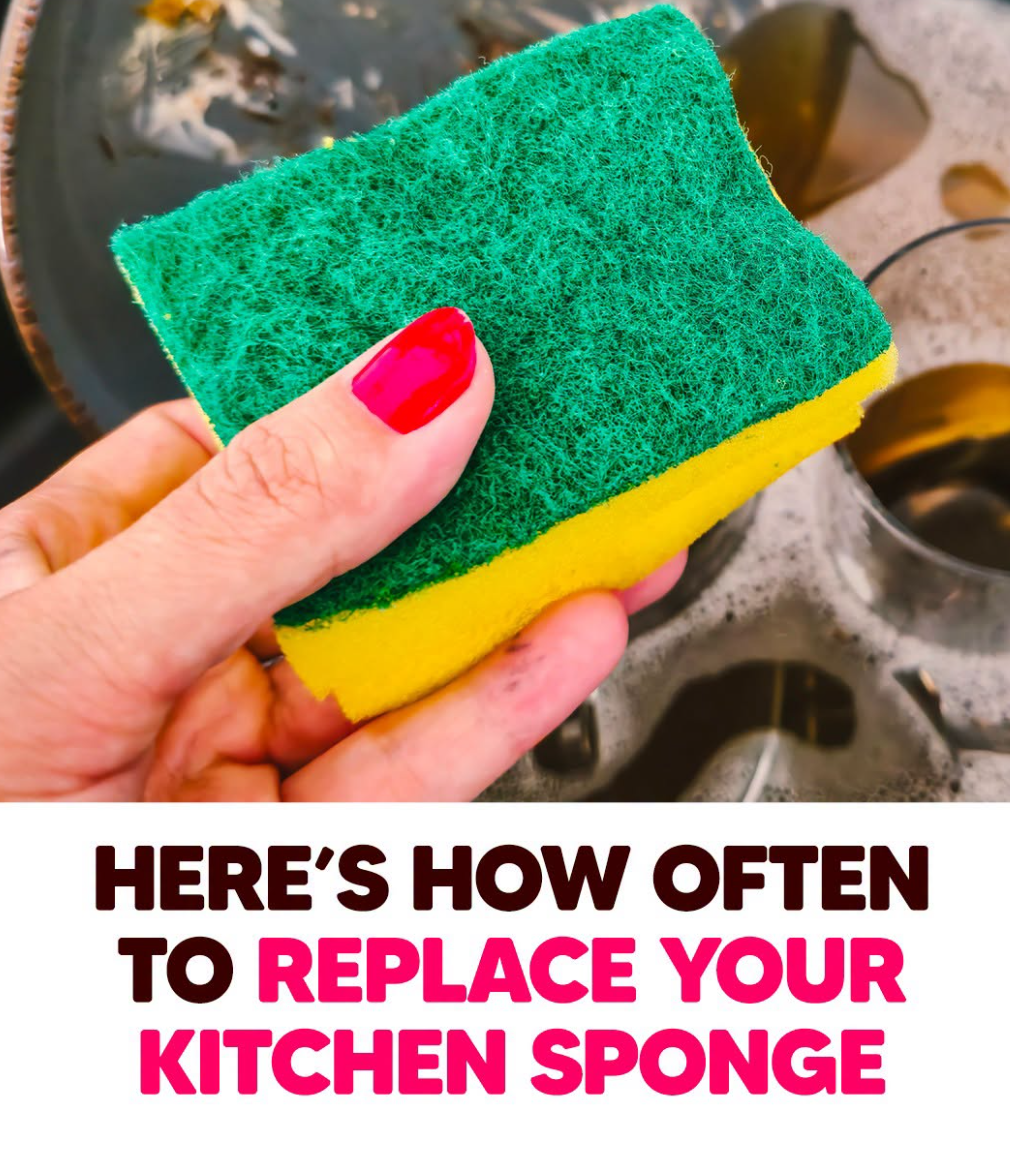
Why Your Kitchen Sponge Might Be the Dirtiest Item in Your Home
Tips to Keep Your Sponge Cleaner for Longer
While frequent replacement is essential, there are several steps you can take to minimise bacterial growth between changes:
- Sanitise regularly: Soak the sponge in boiling water for a few minutes, or microwave it while damp for 1–2 minutes to kill bacteria. Be sure the sponge is free of any metal scouring material before microwaving.
- Squeeze out excess water: After each use, wring the sponge thoroughly and store it in a well-ventilated area to allow it to dry completely. Bacteria thrive in moisture, so a dry sponge is a safer sponge.
- Limit its use: Avoid using the same sponge for cleaning raw meat residues and other surfaces. Designate specific sponges for specific tasks—for example, one for dishes and another for countertops—to reduce the risk of cross-contamination.
- Rinse well after use: Always rinse the sponge thoroughly with hot water after each use to remove as much food debris as possible.
A Final Word
No matter how diligent you are with sanitising and drying, sponges will inevitably wear out and harbour bacteria over time. The most effective strategy is to combine regular cleaning practices with frequent replacement. By staying mindful of your sponge’s condition and following these simple tips, you can keep your kitchen cleaner and safer for you and your family.